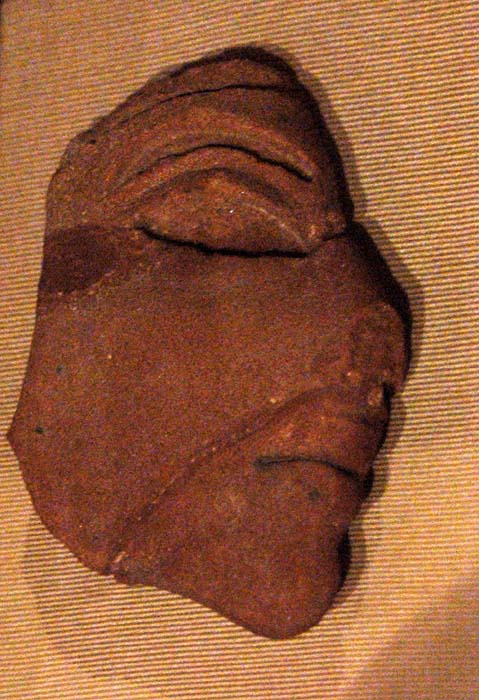
 Akhenaten and el-Amarna The King's Lost City
When Amenhotep IV became king of Egypt in the 18th Dynasty, he broke with religious and political tradition. Amenhotep IV rejected most Egyptian gods, especially the state god Amun. Instead, the new king worshipped the sun as a creative force called the Aten, and he changed his name to Akhenaten in honour of this god.
Akhenaten's religious changes led to political upheaval, because the old cult of Amun was based at Egypt's capital city, Thebes. To break the power of Amun's priests, Akhenaten founded a new capital city in the desert 200 miles north of Thebes. He called the city 'Akhetaten', meaning 'the Horizon of the Aten'. It is known today by the Arabic name, el-Amarna.
Akhenaten, his wife Nefertiti, and their daughters lived in vast palaces at el-Amarna and worshipped the Aten in open-air temples. After Akhenaten's death, however, the Aten religion began to fade. The new king of Egypt was a boy named Tutankhaten, married to Akhenaten's daughter. Tutankhamen returned to Thebes and re-instated the worship of Amun. He rejected the Aten and symbolized this action by taking a new name, Tutankhamen.
Twenty years after it was founded, the city of el-Amarna was abandoned.
Pottery, sculpture, painted floors, and faience decorations were left
behind as people moved away, When British archaeologists began to
excavate the site in the 1800s, they found a wealth of material that
reveals the artistic quality and technical innovations of Akhenaten's
reign.